Residential
Your first home in Boston, step by step.
Buying in Boston has its own rules: competitive offers, the Massachusetts offer and P&S process, condo associations and very old houses. Here’s what to expect at each step.
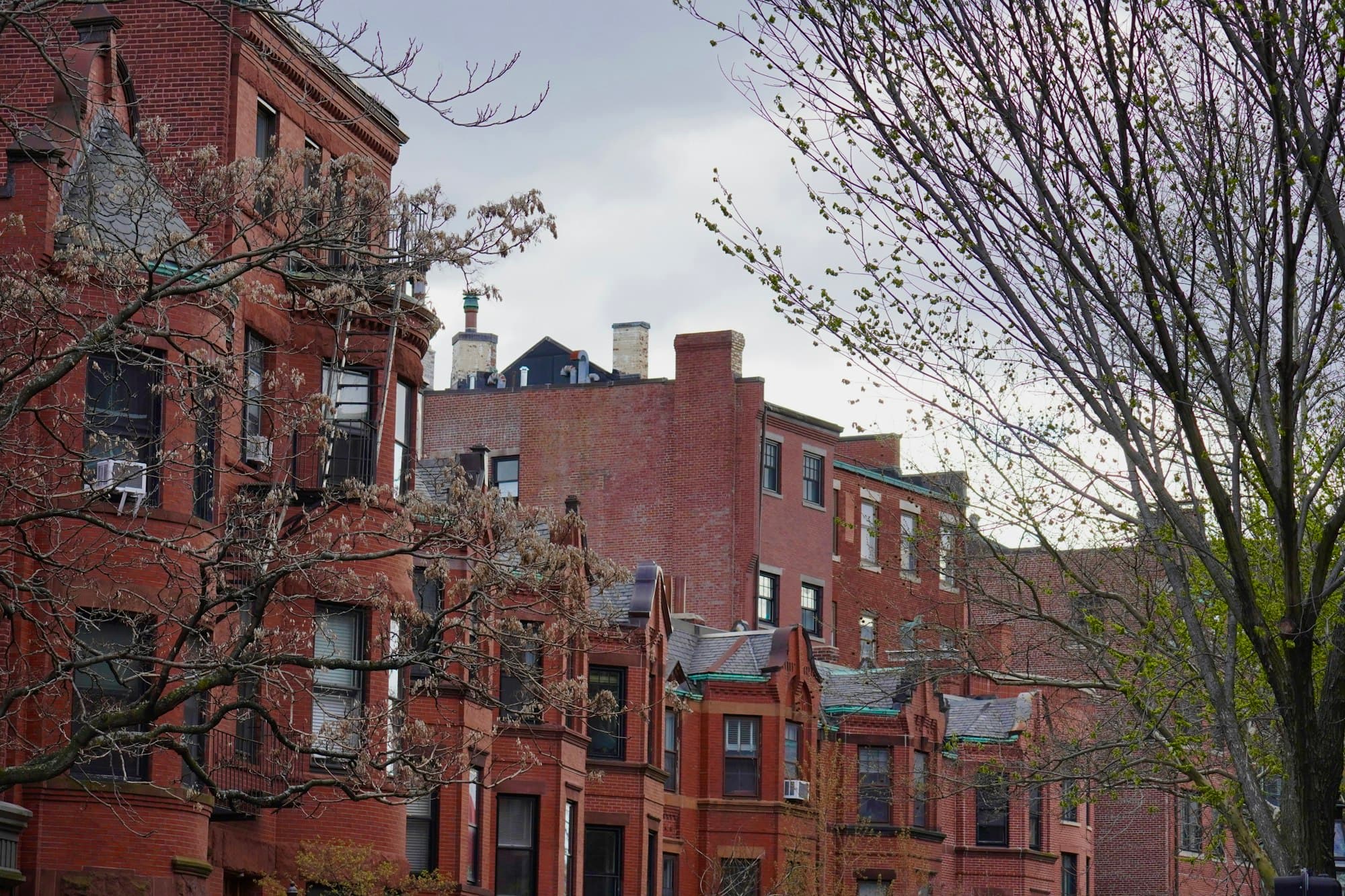
Photo: Brett Wharton
The journey
Five steps from renter to owner.
Most buyers take three to twelve months from the start to getting their keys. Starting early on your finances is what makes it shorter.
- 1
Get your finances ready
Check your credit, add up your savings, and take a certified homebuyer class. Many assistance programs require one.
- 2
Get pre-approved
Talk to two or three lenders, including at least one that offers MassHousing or ONE Mortgage. In Boston, a strong pre-approval letter makes your offer more competitive.
- 3
Tour with a plan
Look at a few neighborhoods. Check commute times, condo fees, parking and the flood map before you fall in love with a place.
- 4
Make an offer
In Massachusetts, an accepted offer usually leads to a signed Offer to Purchase, then a home inspection, then a Purchase and Sale Agreement drawn up by attorneys.
- 5
Inspect, finance, close
You'll go through the inspection, appraisal and final loan approval, then close at the closing attorney's office. After that, apply for the residential tax exemption if your city has one.
What to buy
Condo, single-family, or multifamily?
Condos
Usually the lowest entry price. Monthly fees cover shared costs, so read the association budget, reserves and recent meeting minutes carefully.
Single-family homes
Most privacy and control. You're responsible for everything, so budget for the roof, heating system and older wiring that are common in Boston homes.
Two- & three-families
Live in one unit and rent out the rest. Rental income can help you qualify and pays down the mortgage, but you take on the work of being a landlord.
The Boston move
Buy a triple-decker. Live in one floor.
Owner-occupied two- and three-families are one of the most proven ways to build wealth in Boston. The rent from your tenants helps cover the mortgage, and you build equity in the whole building.
- FHA loans allow as little as 3.5% down on a 2–4 unit building if you live there.
- Lenders can count part of the expected rent toward what you qualify for.
- As you save, you can move out, rent your unit too, and buy the next one.
- You'll be a landlord: learn Massachusetts tenant law, lead paint rules and the security deposit rules before you buy.

Photo: Pi.1415926535 · CC BY-SA 4.0
Example only
How rent changes the math
- Total monthly payment (mortgage, tax, insurance)
- $X,XXX
- Rent from unit 2
- – $X,XXX
- Rent from unit 3
- – $X,XXX
- What you actually pay to live there
- Often far less than renting
Try it with real numbers in our investment calculator. Remember to budget for vacancy, repairs and reserves.
Thinking about a multifamily?
Tell us your budget and the neighborhoods you're considering. We'll help you think through the numbers.