Commercial
Own the building, not just the business.
Commercial real estate isn’t only for big developers. Whether you own a corner store, want to buy your first mixed-use building, or need space to grow, start by understanding how the deals work.
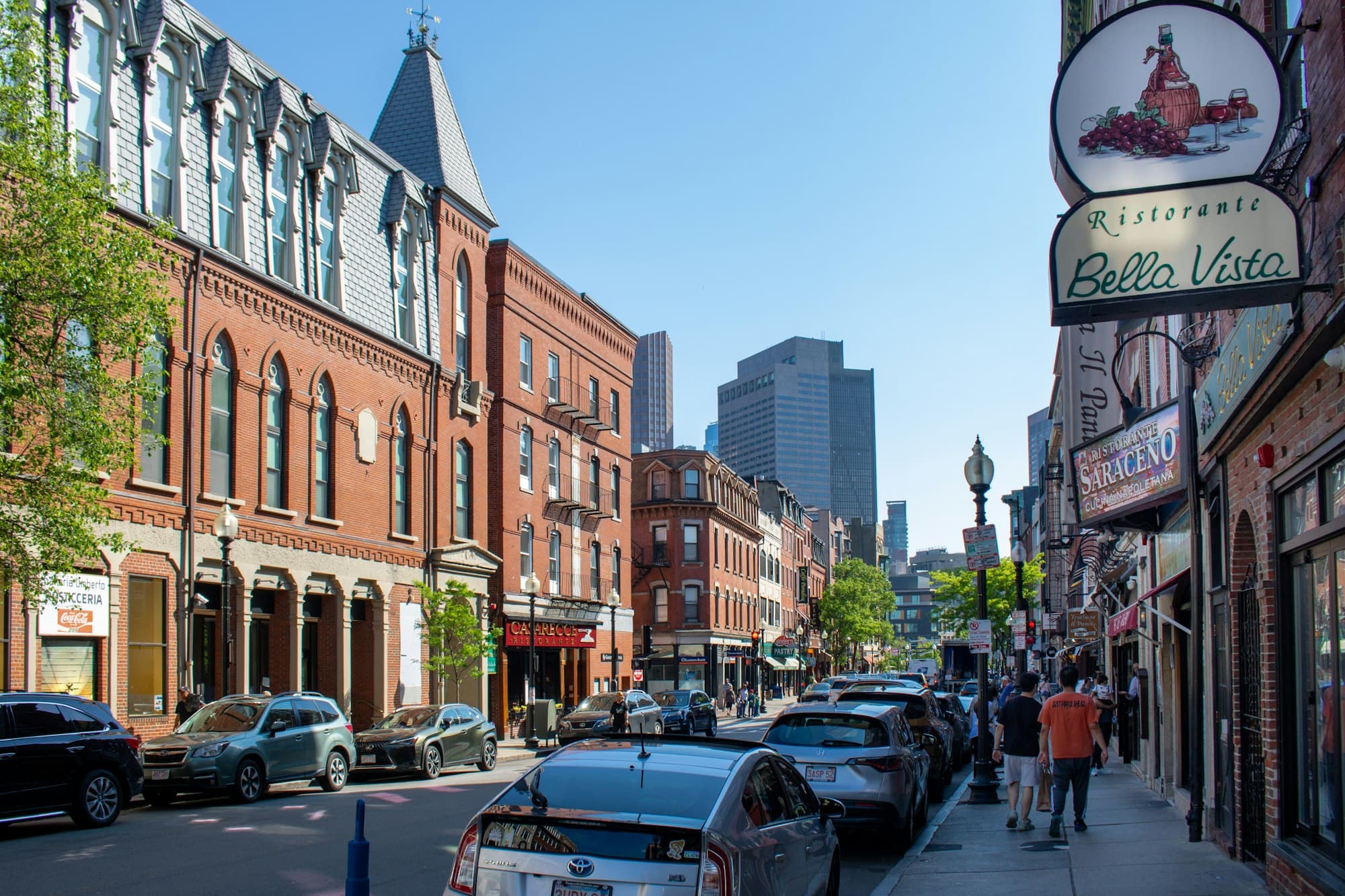
Photo: Zoshua Colah
Business owners
If you've rented your shop, restaurant or office for years, owning the building can lock in your costs and build equity. SBA 504 and 7(a) loans can make it possible with less down than a typical commercial loan.
- Owner-user purchases
- SBA loan basics
- Lease vs. buy comparison
Small investors
A mixed-use building with storefronts downstairs and apartments above is one of the most common Boston property types. It's often the step investors take after owning a triple-decker.
- Mixed-use & 5+ unit buildings
- Cap rate & cash flow analysis
- 1031 exchange basics
Tenants looking for space
Need retail, office, or light industrial space? Tell us what you're looking for — size, area, budget, timing — and we'll keep an eye out.
- Retail & restaurant space
- Office & flex space
- Space requirements intake
Speak the language
Commercial terms, explained simply.
Commercial property is valued on the income it brings in, not on comparable sales the way homes are. These six terms cover most of it.
- NOI (net operating income)
- The building's yearly rent minus its operating expenses, before mortgage payments.
- Cap rate
- NOI divided by the purchase price. It's a quick way to compare buildings regardless of how they're financed.
- Cash-on-cash return
- Your yearly cash flow after mortgage payments, divided by the cash you put in.
- DSCR
- Debt service coverage ratio: NOI divided by yearly mortgage payments. Lenders usually want 1.2× or more.
- Triple net (NNN) lease
- A lease where the tenant pays taxes, insurance and maintenance on top of rent.
- 1031 exchange
- A tax rule that can let you defer capital gains when you sell an investment property and buy another one. Talk to a tax advisor.
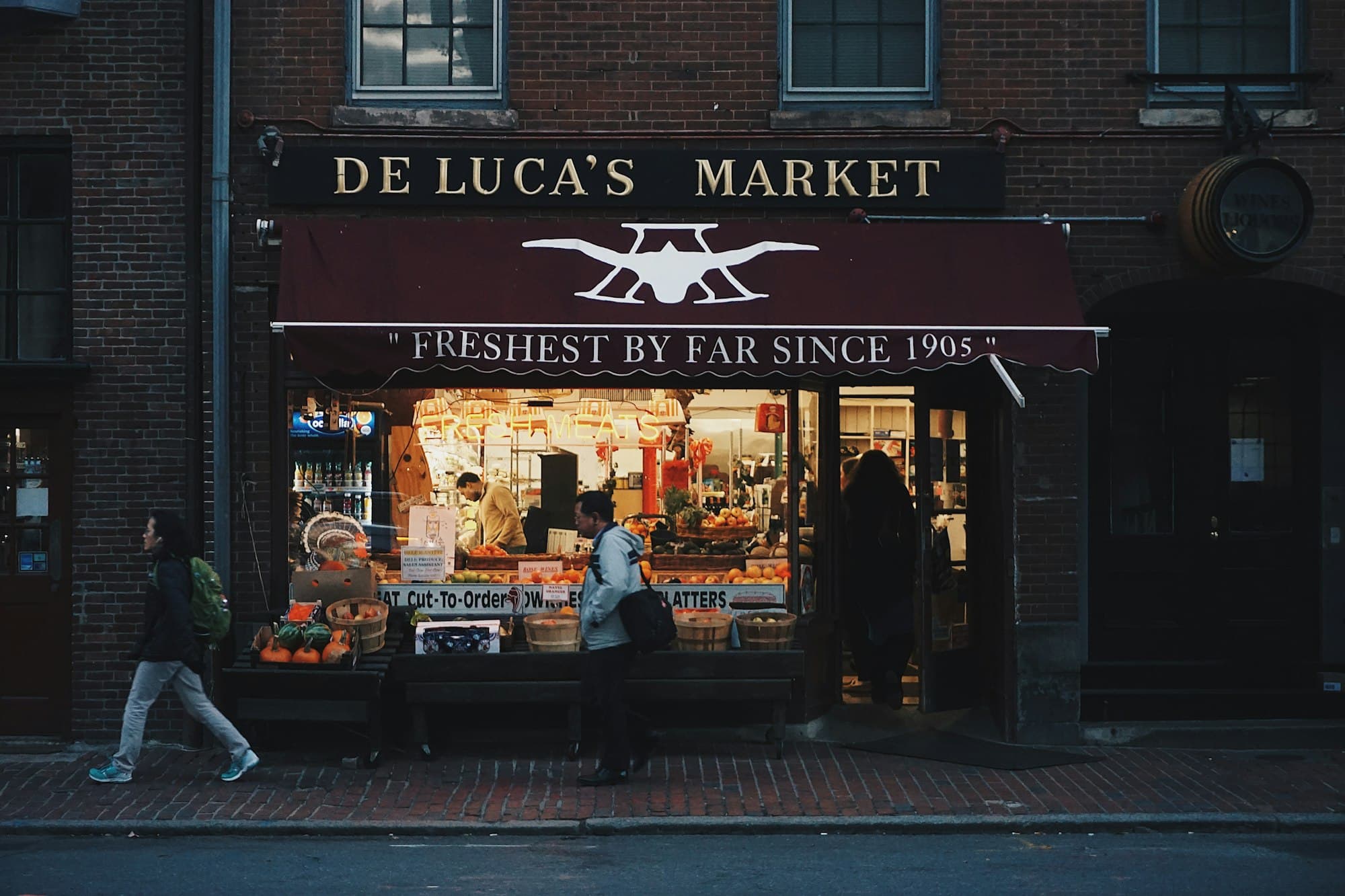
Photo: Nicholas Kampouris
Before you buy
What to check on any commercial deal.
- Rent roll and leases: who pays what, when each lease ends, and any renewal options.
- Operating statements from the past two to three years, not just the seller's projections.
- Zoning: is the current or planned use allowed? Boston zoning varies by district and overlay.
- Building condition, including a professional inspection and an environmental review (Phase I) for many property types.
- Financing: commercial loans usually need 20–30% down unless you qualify for an SBA owner-occupant loan.
Looking for space or a building?
Tell us the type, size, area and budget. We'll help you understand the market and what it will take.